

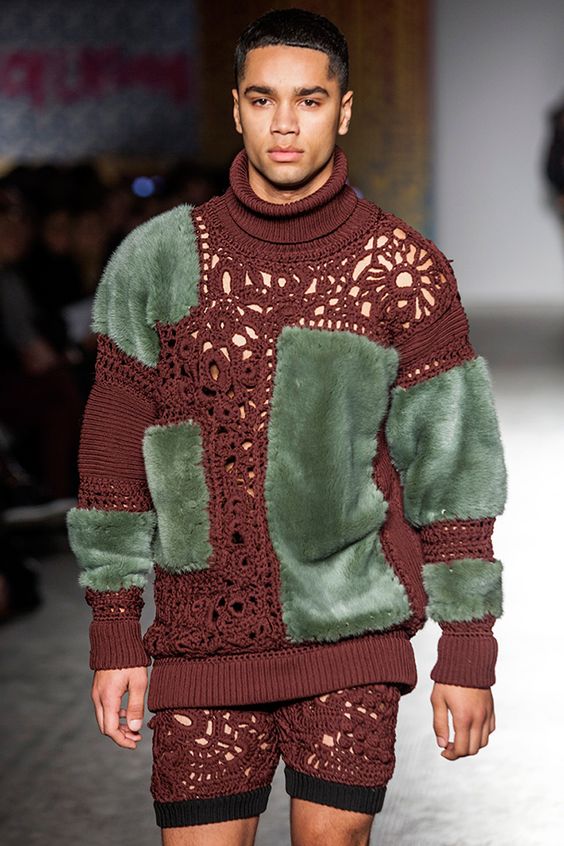
WEAVING INSPIRATION

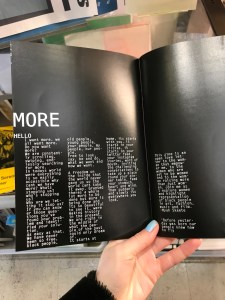
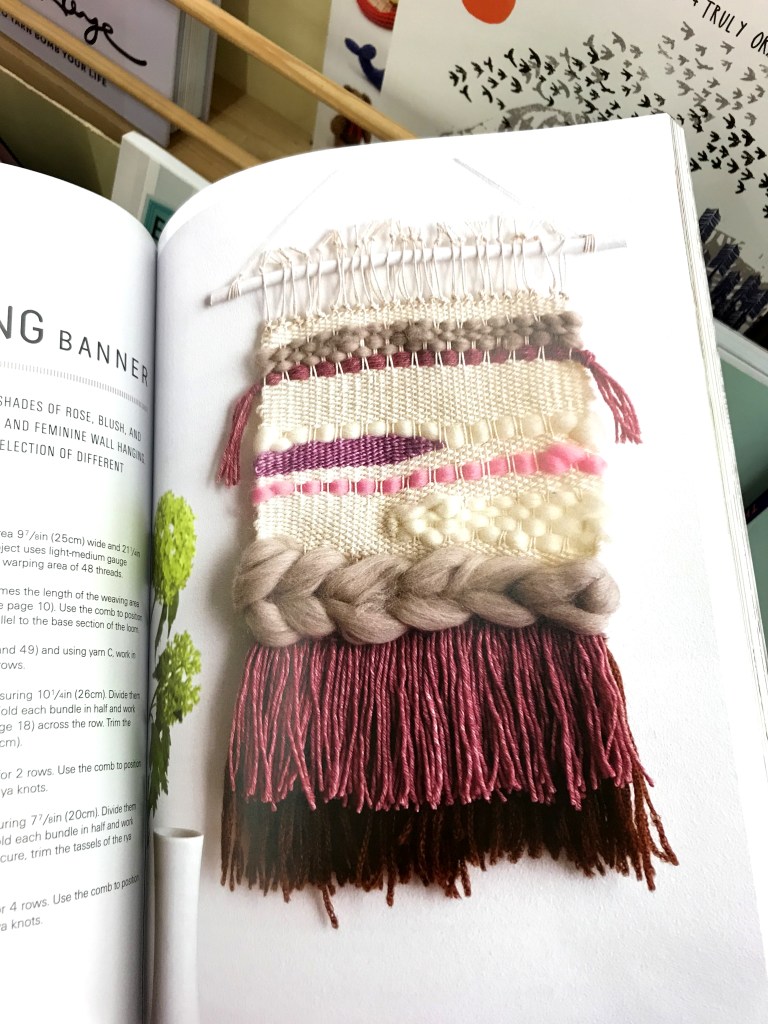
I have been looking at some books in art shops and in the library that focus on weaving techniques so that I can learn how it is done. I really like the aesthetic it creates and I am going to create a DIY weave loom to begin sampling with. I am going to source various different materials and thickness of wools which I am going to use to create texture. I am at first going to sample with materials/wool I already have and then explore quality, sustainable materials reflecting the brand’s concern with climate change for the final products if this technique is successful. It might also be interesting to incorporate recycled materials, linking to my brands ethos of sustainability/ connection to climate change groups.

Materials (including recycled) :

  • Merino wool (used for felting)
  • String
  • Chunky wool
  • Thinner wool
  • Wire (this would also reflect punk rebellion)
  • Plastic bags
  • Up-cycled t-shirts
  • Recycled fabrics

MANCHESTER ART GALLERY

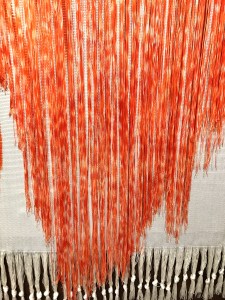
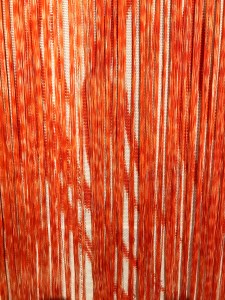
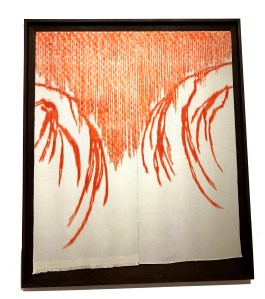
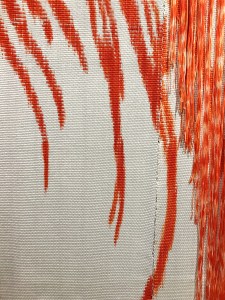
A trip to the exhibition, ‘Jerwood Makers Open’ at Manchester Art Gallery, as primary research for the project, resulted in inspiration for my jumper making. Mark Corfield-Moore’s ‘Celestial Meteors 2013’ explores various weaving techniques. I really liked the use of trailing materials, knotting and the overall distorted illusion of the pieces, which I think link really well to my theme of punk and the messy, fractured aesthetic I am trying to create. I am going to look into weaving techniques, inspired by Moore, experimenting with textures and hanging threads further.

SUSTAINABILITY

  • I am going to use sustainable, high quality wool/ materials as well as up-cycled materials/ string/ scraps for weaving and adding texture.
  • I am going to try and source materials locally to reduce the brand carbon footprint.
  • I need to look into/ source interesting recycled materials to add texture to my work: string/ plastic bags/ scrap metal/ scrap fabrics/ charity shop bright coloured t-shirts.

SUSTAINABLE WOOL RESEARCH

WOOL TO AVOID

  • Acrylics
  • Nylon
  • Polyester
  • Synthetic dyes

SUSTAINABLE

  • Naturally dyed wool
  • Upcycled yarn
  • Organic cotton – grown without any toxic chemicals/ synthetic fertilisers
  • Tencel
  • Merino wool – Merino is the world’s naturally technical fibre which is renewable and bio-degradable. … Merino wool is a natural and sustainable resource because merino wool continues to grow each year after the annual harvesting of the fleece. Merino sheep live on a diet of water and grasses and live outdoors. Good for water systems
  • Cold dyed wools
  • Low water usage wools

BRANDS

  • Wool and the gang – they have nontoxic Tencel yarn made from 100% renewable energy, wool made from pre-consumer waste fibers, sustainably-sourced Peruvian wool, up-cycled denim and jersey yarn made from fashion factory scraps, and more.